Data-Driven Decision Making (2026)

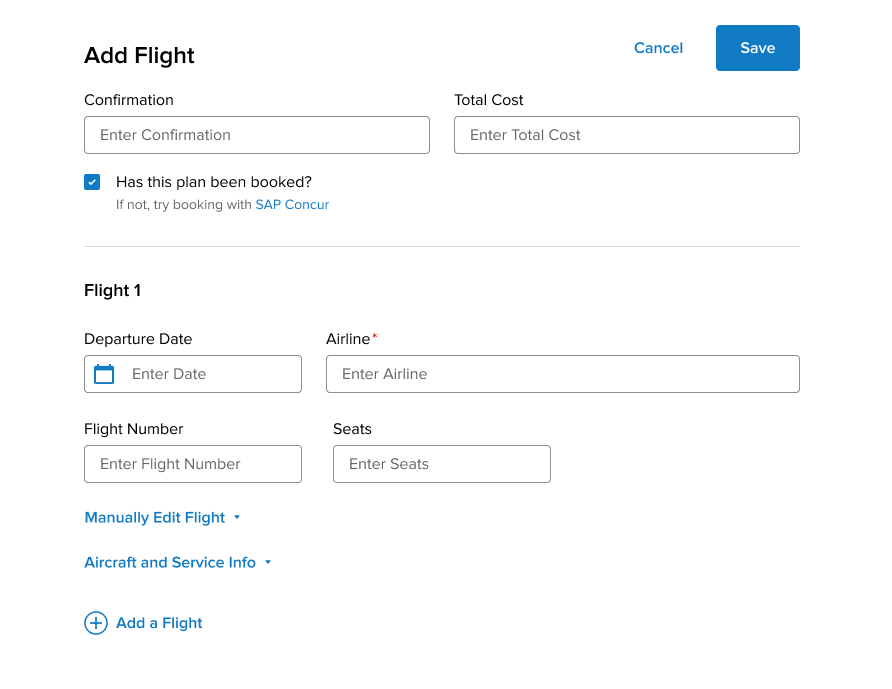
Plan Details IA Refresh

The Challenge: Following a new web rollout, users experienced major friction compared to the classic web, citing too many clicks, missing trip context (like Trip Description), and the inability to view key details on a single page. This excessive navigation led to incomplete data entries and a loss of user confidence.

The Action: As the Principal UX Designer, I led the end-to-end redesign to restructure plan creation into a single, rich flow. I restored critical features like Trip Description to close parity gaps with the iOS app, promoted key fields for in-line editing, and reduced full-page navigations to mitigate latency.

The Impact: The update successfully reduced clicks and page switching, improving the time-to-complete for common plan types. This directly resulted in higher fill-rates for critical data at creation and a significant reduction in negative user feedback regarding missing information.
SOLO-LED MAJOR REDESIGN (2022)

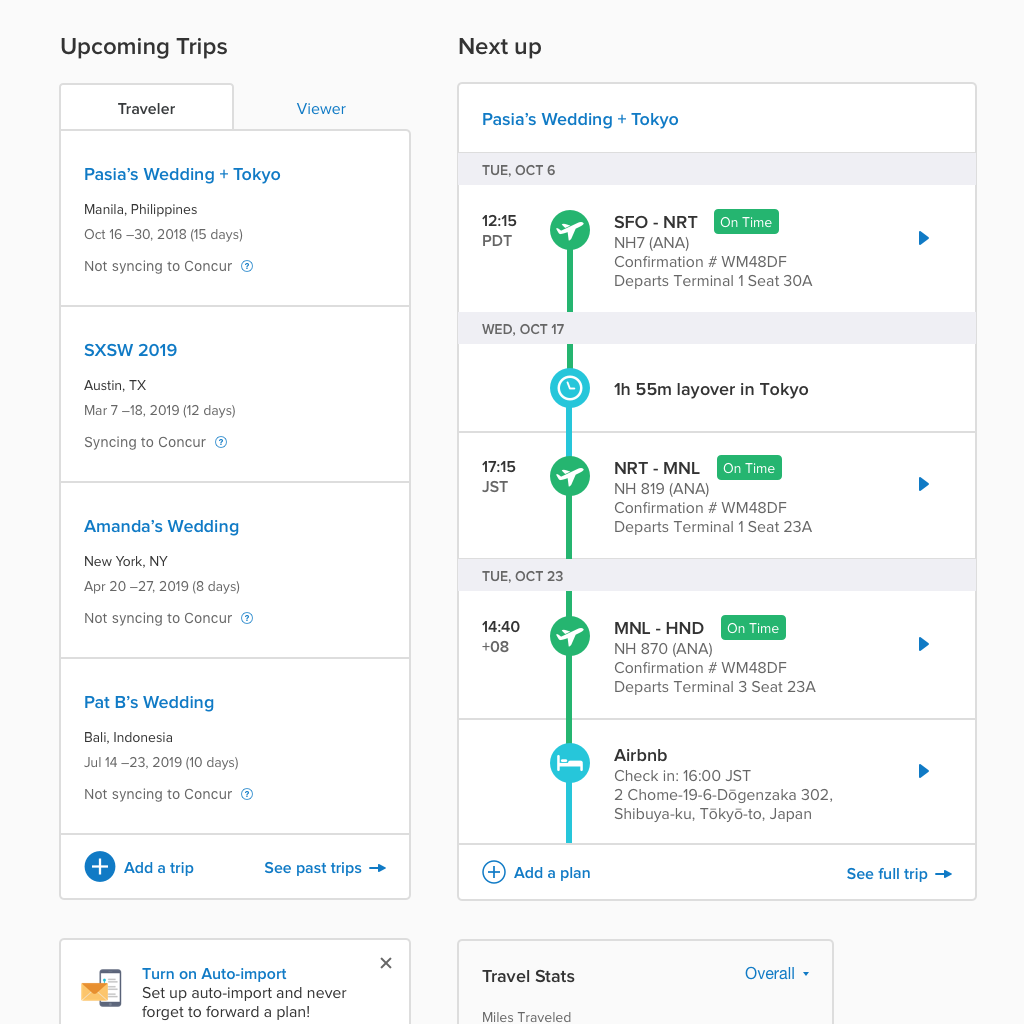
TripIt Web Redesign Phase 1

The Challenge: TripIt’s legacy web experience lagged behind its mobile counterpart and lacked the necessary legal compliance to expand effectively into the European market.

The Action: As the solo UX practitioner, I led a 12-month, end-to-end redesign of the entire web application. This involved porting mobile-exclusive capabilities to achieve cross-platform feature parity, overhauling the information architecture of multi-layered itinerary data to make dense trip plans scannable, and establishing continuous feedback loops with Customer Support to iterate and bridge legacy gaps.

The Impact: Successfully launched an EU-compliant web experience that unlocked a major international market, directly driving a 17% increase in new user sign-ups while drastically improving overall platform performance.

FIRST PROJECT AS LEAD DESIGNER (2019)

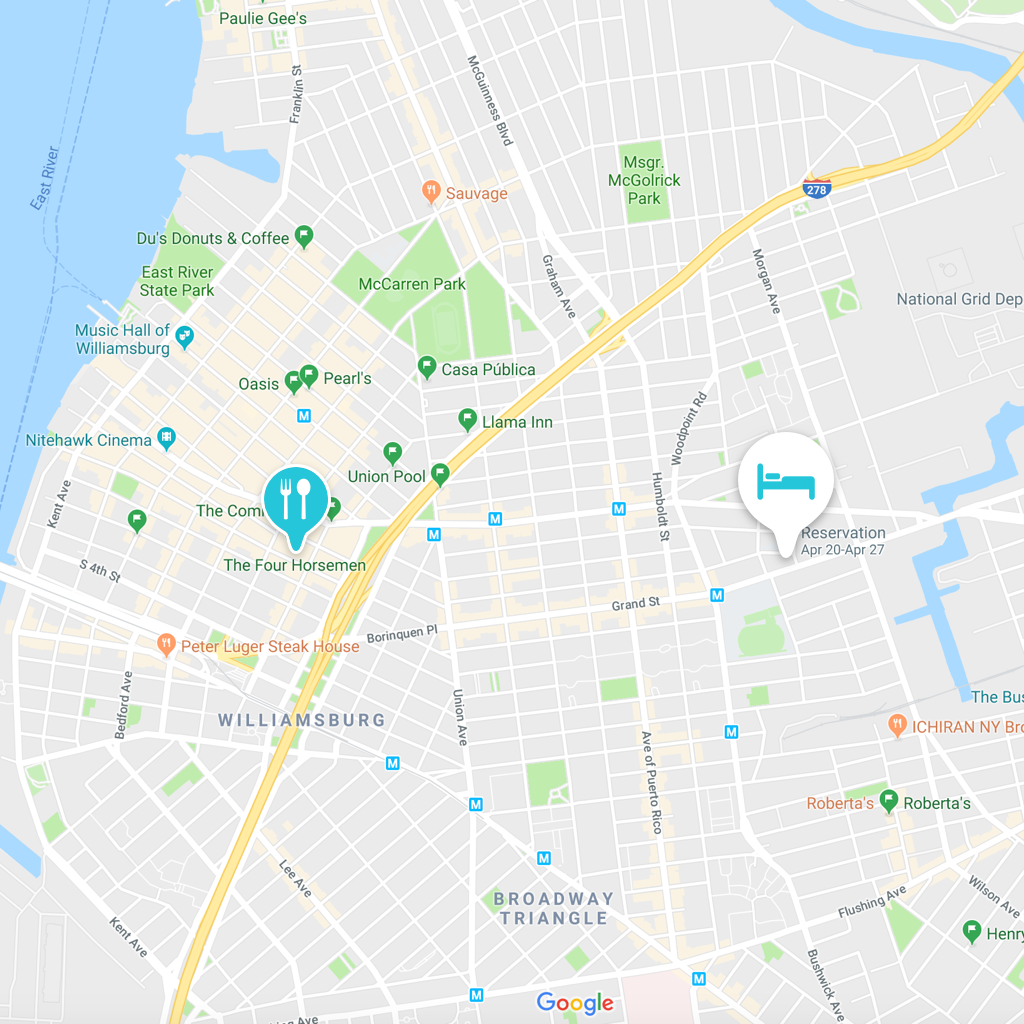
TripIt Map View

The Challenge: TripIt users could view their itineraries chronologically, but had no way to visualize them spatially. Frequent business travelers needed a way to coordinate how they would get around unfamiliar destinations and see how their plans related to each other on a map.

The Action: I led the product design for a new map feature, utilizing participatory user research to narrow down the core needs: understanding spatial relations, finding their current location, and accessing transportation. I designed the MVP Map View, implementing clear icon states and swipe-able cards that dynamically drive the map’s focus.

The Impact: The Map View MVP successfully drove massive user engagement. Within one month of launch, feature usage hit 25%, significantly outperforming the 10% average engagement rate typical of most other TripIt features.

PERSONAL WORK THAT MAKES ME SMILE

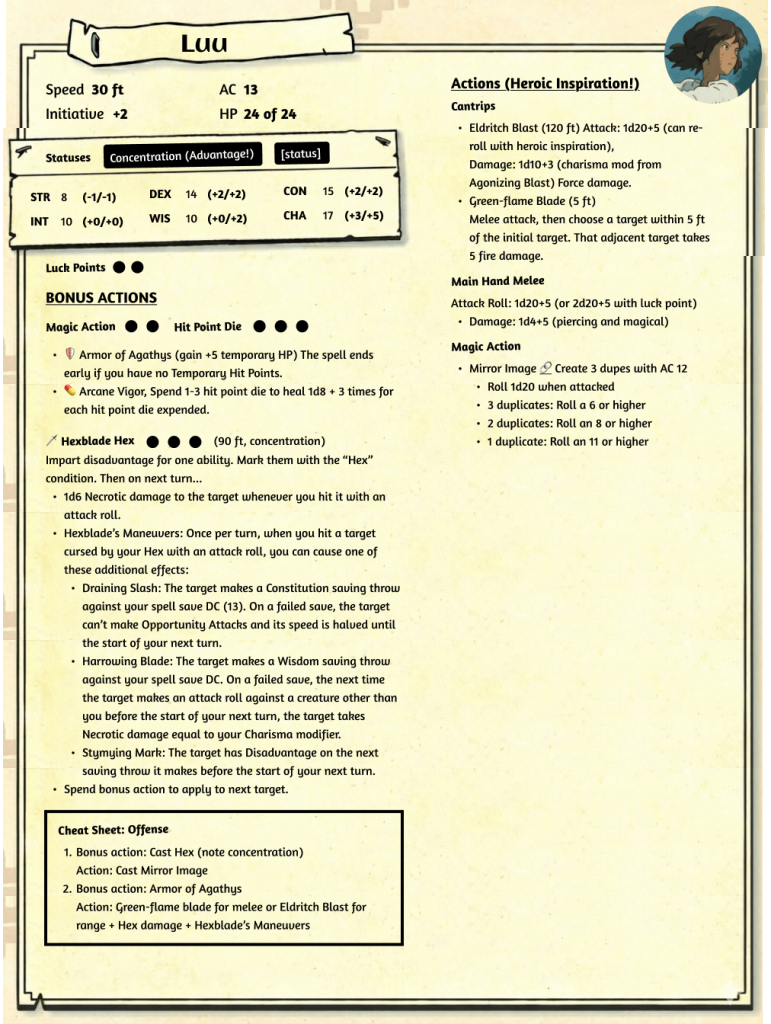
D&D Stat Blocks

The Challenge: As a Game Master running an Obojima campaign for brand-new players, I needed to maintain immersion while avoiding the cognitive overload of traditional rulebooks. Because players were learning fundamental concepts like “hit points” from scratch, the complex game data needed to be dramatically simplified and tailored.

The Action: I utilized systems thinking to design custom, highly visual character cards. By consolidating data from multiple sources and employing progressive disclosure, I tailored the UI to each specific class—surfacing mechanics like “Concentration” or “Hide” only where contextually relevant to reduce the learning curve.

The Impact: The custom UI drastically streamlined gameplay, allowing players to find contextual mechanics instantly without breaking immersion. Operating as a living product, the cards continuously evolve based on user feedback, shedding “training wheel” text as players master mechanics to free up valuable visual space.

Close Menu